Physical Address
304 North Cardinal St.
Dorchester Center, MA 02124
Physical Address
304 North Cardinal St.
Dorchester Center, MA 02124


In today’s world, where our attention is constantly being pulled in multiple directions, simplicity and minimalism have emerged as guiding principles for effective design. The concept of aesthetic minimalist design, as explored in the article “Aesthetic Minimalist Design” by the Nielsen Norman Group, holds tremendous value in enhancing user experiences and creating visually appealing interfaces. In this blog, we will delve into the key insights from the article and shed light on the art of creating designs that embrace the philosophy of “less is more.”
“Aesthetic Minimalist Design” highlights how simplicity lies at the heart of effective design. Minimalism is about distilling a design to its essential elements, eliminating unnecessary clutter, and focusing on the core purpose and message. By reducing complexity, designers can create interfaces that are easy to understand, navigate, and engage with.
One of the crucial aspects of aesthetic minimalist design is the establishment of a clear visual hierarchy. By using visual cues such as size, color, and spacing, designers can guide users’ attention to the most important elements on a page. This approach ensures that users can quickly scan and comprehend information, reducing cognitive load and enhancing usability.
Whitespace, often referred to as negative space, is a fundamental tool in minimalist design. It is the intentional blank space between elements that provides visual breathing room, improves readability, and enhances the overall aesthetic appeal. By embracing whitespace, designers can create a sense of elegance, sophistication, and balance in their designs.
Typography plays a pivotal role in minimalist design, as the article emphasizes. Selecting the right typefaces and using them effectively can significantly impact the overall look and feel of a design. Minimalist designs often employ simple, clean, and easily legible fonts to maintain a sense of clarity and elegance.
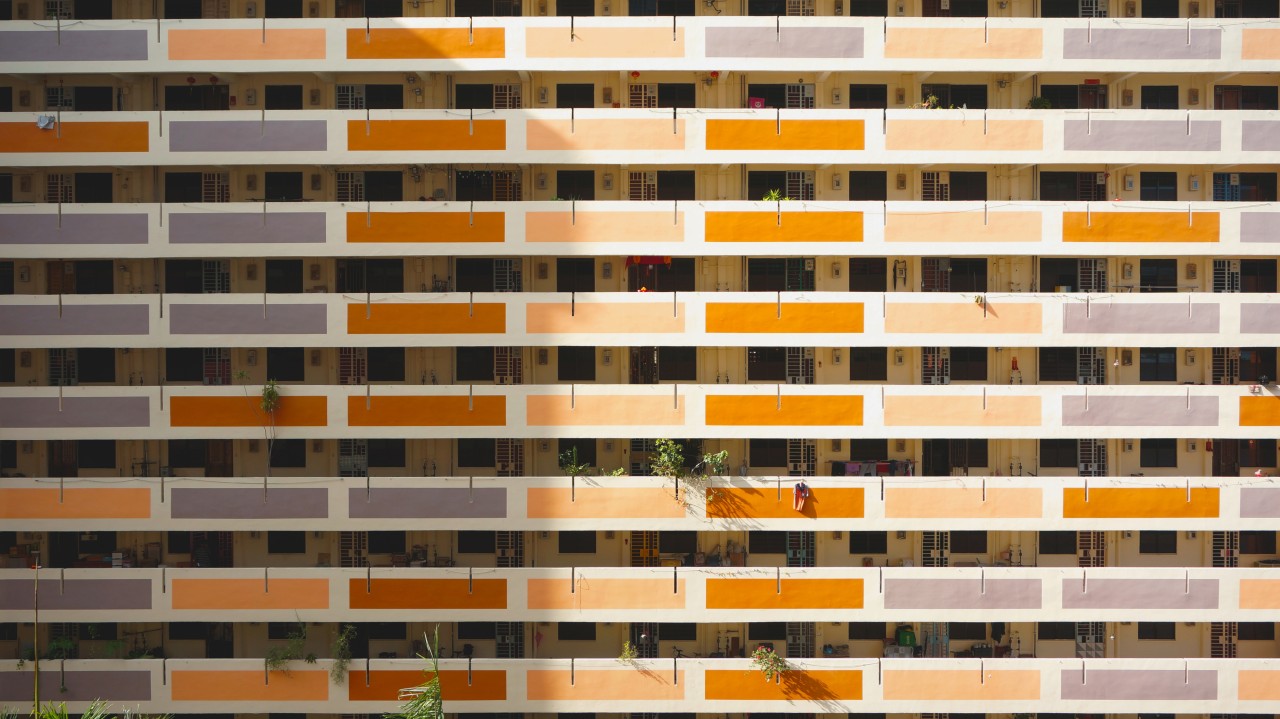
In aesthetic minimalist design, the color palette is typically subdued and restrained. By using a limited range of colors, designers can create a harmonious and visually pleasing composition. Neutral tones, pastels, and monochromatic schemes are often favored, allowing key elements to stand out while maintaining a sense of tranquility and simplicity.
While aesthetics are important, aesthetic minimalist design also prioritizes functionality and usability. Minimalism does not mean sacrificing usability in favor of visual appeal. Instead, it strives to strike a delicate balance between aesthetics and practicality. Designers should ensure that their creations are intuitive, efficient, and fulfill users’ needs.
The benefits of aesthetic minimalist design are multifaceted. Firstly, it enhances user experience by reducing cognitive load and providing a clear and intuitive interface. Secondly, minimalist designs tend to load faster, optimizing performance and response time. Moreover, minimalism can convey a sense of professionalism, elegance, and modernity, reinforcing brand identity and credibility.
In a world where information overload is a constant challenge, aesthetic minimalist design stands out as an invaluable approach for designers. By embracing simplicity, clear communication, whitespace, typography, and restrained color palettes, designers can create visually appealing interfaces that are intuitive, engaging, and efficient. The art of aesthetic minimalist design revolves around the principle of “less is more,” making every element purposeful and deliberate. As designers, let us embrace the power of minimalism and create designs that captivate and inspire users in a cluttered digital landscape.