Physical Address
304 North Cardinal St.
Dorchester Center, MA 02124
Physical Address
304 North Cardinal St.
Dorchester Center, MA 02124

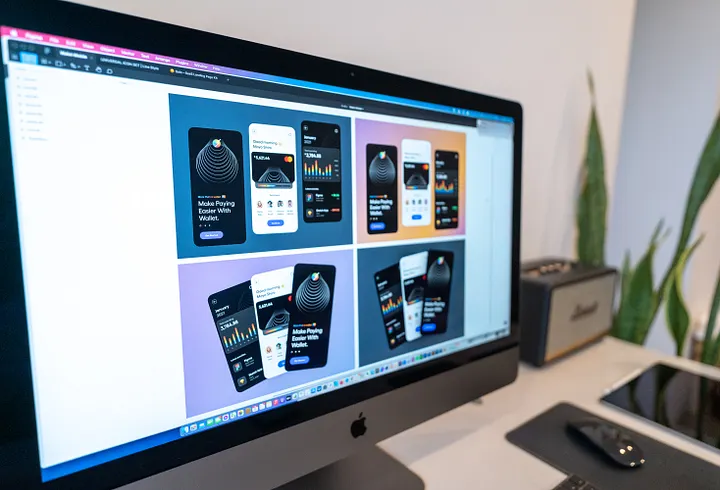
In the rapidly evolving tech world of 2023, UI/UX designers are in high demand to create intuitive and user-friendly digital experiences. Whether you are starting from scratch or transitioning from another field, this step-by-step guide will help you embark on your journey to becoming a successful UI/UX designer.
Step 1: Understand the Basics of UI/UX Design
UI (User Interface) design is about crafting visually appealing layouts, while UX (User Experience) design focuses on optimizing user interactions and satisfaction. Begin by researching and familiarizing yourself with the core principles and concepts of both fields. Look into the latest trends, tools, and design systems used in the industry.
Learning Resources:
– Online courses on platforms like Udemy, Coursera, or LinkedIn Learning.
– Books like “Don’t Make Me Think” by Steve Krug and “The Design of Everyday Things” by Don Norman.
Step 2: Learn Design Software and Tools
Master popular design tools like Adobe XD, Figma, Sketch, or InVision to create prototypes, wireframes, and visual designs. Hands-on experience with these tools is crucial to succeed as a UI/UX designer.
Learning Resources:
– Official documentation and tutorials provided by the design software companies.
– YouTube tutorials and design communities like Dribbble and Behance.
Step 3: Build a Strong Design Portfolio
Create a portfolio showcasing your design projects, even if they are just personal or speculative work. Potential employers and clients will evaluate your skills and creativity based on your portfolio, so make sure it’s visually appealing and well-organized.
Examples:
– Design a mobile app prototype that simplifies the process of finding nearby restaurants.
– Redesign a popular website’s homepage to improve user engagement and navigation.
Step 4: Get Feedback and Iterate
Share your portfolio and designs with peers, mentors, or online design communities to receive constructive feedback. Use this feedback to improve your work continually and refine your design skills.
Step 5: Study Human-Computer Interaction (HCI) and Psychology
Understanding human behavior and interaction patterns is crucial for creating successful designs. Study the principles of HCI and psychology to develop empathy for users and design solutions that meet their needs effectively.
Learning Resources:
– Online courses on HCI and psychology-related topics.
– “The Design of Everyday Things” by Don Norman, which explores the relationship between design and human behavior.
Step 6: Stay Updated with Industry Trends
The field of UI/UX design is ever-changing. Stay informed about the latest design trends, emerging technologies, and user preferences to remain competitive and relevant in the industry.
Learning Resources:
– Design blogs and websites like Smashing Magazine and Awwwards.
– Follow UI/UX designers and thought leaders on social media platforms like Twitter and LinkedIn.
Step 7: Collaborate on Real Projects
Gain real-world experience by collaborating on projects with other designers, developers, and stakeholders. Working in a team setting will help you understand the dynamics of the design process and improve your communication skills.
Step 8: Network and Attend Design Events
Connect with professionals in the UI/UX design community through LinkedIn, design conferences, and local meetups. Networking can lead to job opportunities and valuable insights into the industry.
Step 9: Apply for Internships and Entry-Level Positions
As a beginner, consider applying for internships or entry-level positions to gain practical experience and build a strong professional network.
Step 10: Never Stop Learning and Growing
UI/UX design is an evolving field, so continuous learning is essential. Attend workshops, webinars, and conferences to broaden your knowledge and stay ahead of the curve.
Conclusion:
Becoming a UI/UX designer in 2023 is an exciting and fulfilling journey. By following these step-by-step guidelines, continuously improving your skills, and staying updated with industry trends, you can pave the way for a successful career in UI/UX design. Remember to build a compelling portfolio, network with other professionals, and seek feedback to showcase your expertise effectively.